

Have you ever stood in front of the mirror wondering, “Should I wash my hair today?”
Some people shampoo every morning, while others wash their hair only once a week. With endless advice from social media influencers, friends, and family, it’s easy to get confused.
The truth is simple: there’s no universal hair-washing schedule.
The perfect routine depends on your hair type, scalp condition, lifestyle, climate, and the products you use. Washing too often can strip away your hair’s natural oils, while washing too little may lead to oily roots, product buildup, and an unhealthy scalp.
Let’s discover what hair experts recommend.
Why Washing Your Hair Is Important
Hair washing isn’t just about keeping your hair looking fresh—it plays a crucial role in maintaining a healthy scalp.

Regular washing helps to:
- Remove excess oil (sebum)
- Wash away dirt, sweat, and pollution
- Eliminate product buildup
- Prevent scalp irritation
- Reduce dandruff caused by excess oil and buildup
- Keep your hair soft, shiny, and manageable
However, the goal isn’t to wash more—it’s to wash smart.
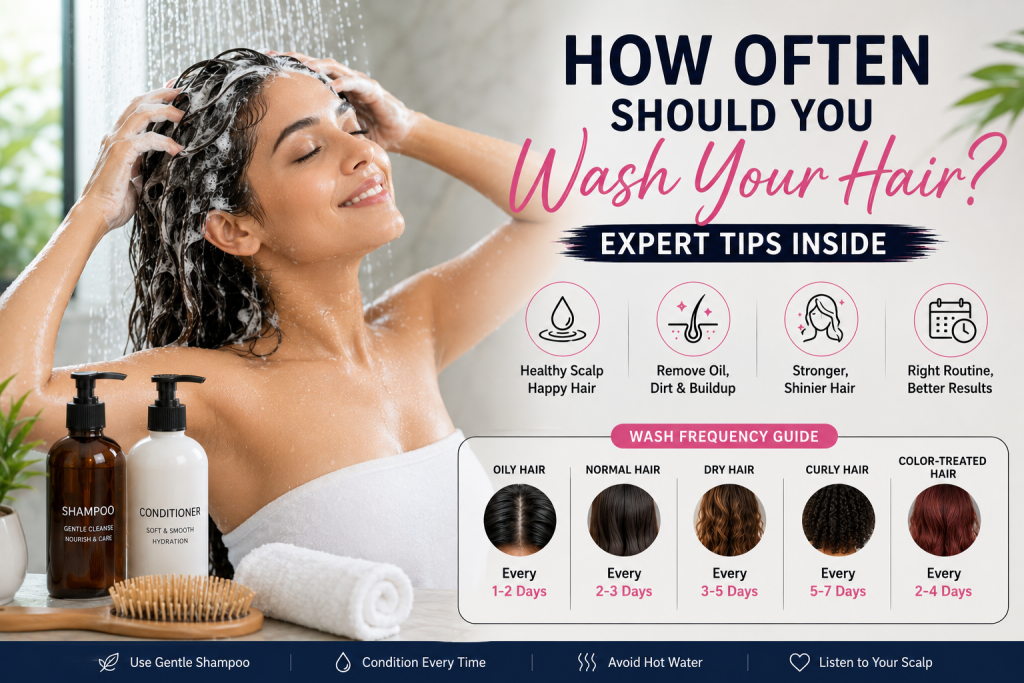
How Often Should You Wash Your Hair?
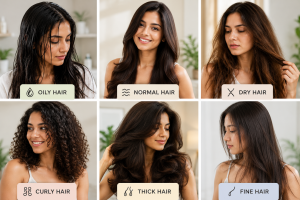
Oily Hair
Recommended: Every 1–2 days
If your scalp feels greasy within 24 hours of washing, you likely have oily hair. Frequent washing is perfectly normal, provided you use a gentle shampoo.
Expert Tips
- Choose a lightweight shampoo designed for oily scalps.
- Avoid applying conditioner directly to the roots.
- Wash with lukewarm water instead of hot water.
- Don’t overuse dry shampoo—it should only be a temporary fix.
Normal Hair
Recommended: Every 2–3 days
If your hair stays clean for a couple of days without becoming oily or dry, you’ve probably got normal hair.
Expert Tips
- Shampoo whenever your scalp starts feeling oily.
- Always follow up with conditioner.
- Avoid excessive heat styling between washes.
Dry Hair
Recommended: Every 3–5 days
Dry hair naturally produces less oil, so washing too frequently can remove the moisture your hair needs.
Expert Tips
- Use moisturizing or sulfate-free shampoos.
- Deep condition once a week.
- Apply a lightweight hair serum to the ends.
- Limit heat styling whenever possible.
Curly or Coily Hair
Recommended: Every 5–7 days
Natural oils take longer to travel through curly hair, making curls more prone to dryness.
Expert Tips
- Use sulfate-free cleansers.
- Condition generously after every wash.
- Deep-condition weekly.
- Detangle with a wide-tooth comb while your hair is damp.
Fine Hair
Recommended: Every 1–2 days
Fine hair gets oily more quickly because natural oils spread faster from the scalp.
Expert Tips
- Use volumizing shampoos.
- Avoid heavy creams and oils.
- Focus conditioner only on the ends.
Thick Hair
Recommended: Every 3–4 days
Thicker hair retains moisture longer and usually doesn’t require daily washing.
Expert Tips
- Hydrate with nourishing conditioners.
- Brush gently to distribute natural oils evenly.
Color-Treated Hair
Recommended: Every 2–4 days
Frequent washing may cause hair color to fade faster.
Expert Tips
- Use color-safe shampoos.
- Wash with cool or lukewarm water.
- Protect your hair from direct sunlight.
Factors That Affect Your Hair Washing Routine

1. Your Lifestyle
If you exercise regularly, sweat can build up on your scalp.
People who work out daily may need to wash their hair more frequently.
2. Weather
Hot and humid climates increase sweat and oil production.
Cold weather usually makes hair drier, meaning fewer washes may be enough.
3. Styling Products
Using gels, sprays, mousses, waxes, or dry shampoo creates product buildup over time.
When your hair feels heavy or sticky, it’s time for a proper wash.
4. Scalp Health
An itchy scalp, dandruff, or excessive oiliness may require a different washing schedule.
If symptoms persist, consult a dermatologist.
Signs It’s Time to Wash Your Hair
Instead of following a strict calendar, pay attention to your hair.
You probably need a wash if you notice:
✔ Greasy roots
✔ Flat, lifeless hair
✔ Itchy scalp
✔ Product buildup
✔ Unpleasant smell
✔ Hair sticking together
Your scalp is the best indicator—not the number of days since your last wash.
Common Hair Washing Mistakes

Using Too Much Shampoo
More shampoo doesn’t mean cleaner hair.
A coin-sized amount is usually enough for most hair lengths.
Washing With Hot Water
Hot water strips away natural oils.
Lukewarm water cleans effectively while helping maintain moisture.
Applying Conditioner to the Scalp
Conditioner belongs on the mid-lengths and ends.
Applying it to the roots can make hair look greasy more quickly.
Scrubbing Too Hard
Use your fingertips—not your nails—to gently massage your scalp.
Aggressive scrubbing may irritate your scalp.
Skipping Conditioner
Conditioner reduces frizz, smooths hair, and protects against breakage.
Never skip this step, especially if your hair is dry or damaged.
Expert Hair Washing Routine
Step 1: Brush Before Washing
Brushing removes tangles and helps shampoo spread evenly.
Step 2: Wet Hair Thoroughly
Use lukewarm water to fully saturate your hair before applying shampoo.
Step 3: Shampoo the Scalp
Massage gently for one to two minutes.
Let the lather naturally clean the hair lengths while rinsing.
Step 4: Rinse Completely
Leftover shampoo can cause buildup and irritation.
Step 5: Apply Conditioner
Focus on the middle and ends of your hair.
Leave it on for 2–3 minutes before rinsing.
Step 6: Dry Gently
Pat your hair with a microfiber towel or soft cotton T-shirt.
Avoid rubbing your hair vigorously.
Step 7: Protect Before Heat Styling
If you use a hair dryer or straightener, always apply a heat protectant first.
Quick Hair Wash Guide

| Hair Type | Wash Every |
|---|---|
| Oily Hair | 1–2 Days |
| Fine Hair | 1–2 Days |
| Normal Hair | 2–3 Days |
| Thick Hair | 3–4 Days |
| Dry Hair | 3–5 Days |
| Curly Hair | 5–7 Days |
| Coily Hair | 5–7 Days |
| Color-Treated Hair | 2–4 Days |
Bonus Tips for Healthier Hair
- Clean your hairbrush once a week.
- Change your pillowcase regularly.
- Drink plenty of water to keep your scalp hydrated.
- Eat foods rich in protein, iron, zinc, and omega-3 fatty acids.
- Trim split ends every 8–12 weeks.
- Avoid tying your hair tightly every day.
- Let your hair air dry whenever possible.
- Protect your hair from harsh sunlight by wearing a hat or scarf.
Final Thoughts

When it comes to washing your hair, quality matters more than frequency. Listen to your scalp, choose products suited to your hair type, and don’t follow trends blindly.
A healthy scalp creates the foundation for healthy, strong, and shiny hair. By washing your hair at the right frequency and following a consistent routine, you’ll keep your hair looking its best every day.
Remember: The best hair care routine is the one that works for you—not the one that’s trending online.


